The Eastern Bay of Plenty
The Eastern Bay of Plenty is an area of land whose coastal boundaries run from Matata in the west to Cape Runaway in the East. There is a dramatic difference in landscape and population between the west and east.
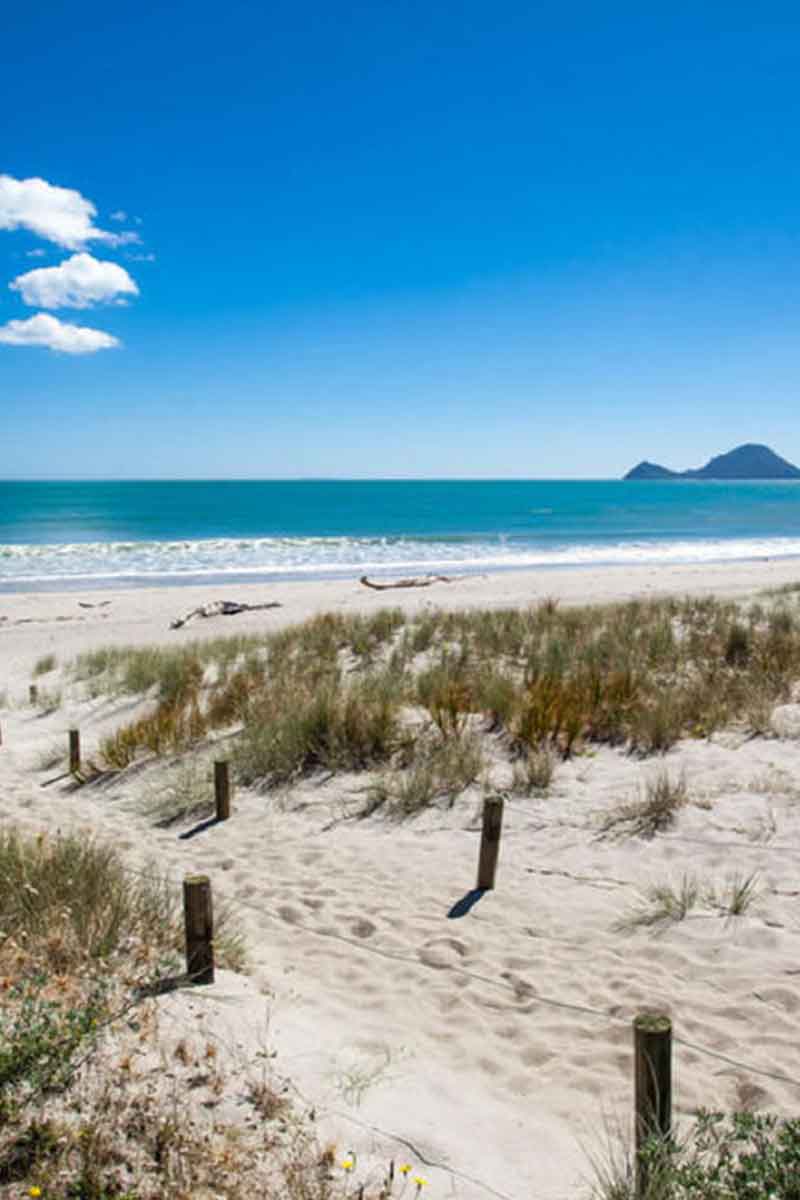
Thornton and the Rangitaiki plains are located on the western edge of the Eastern Bay of Plenty. This stretch of coastline includes white sand beaches, awesome surf, stunning harbours and a contemporary lifestyle with Whakatane being the centre for business, shopping and tourism in the Eastern Bay of Plenty.
As we travel further east the landscape becomes more and more sparsely populated and is dominated by rugged hills and streams which enter the pacific ocean mostly on rocky outcrops or pebbly beaches. This area, east of Opotiki is commonly referred to as “up the coast” and includes small settlements and towns like Torere, Opape, Omaio and Te Kaha.
There are a number of Islands in the Eastern Bay of Plenty but the largest and most accessible for fishing and diving is Moutohora / Whale Island which dominates the view out to sea from Thornton and Whakatane.
The proximity to public beaches and outdoor activity make the area a favourite amongst those who live here and the people who visit.
Thornton And The Rangitaiki River
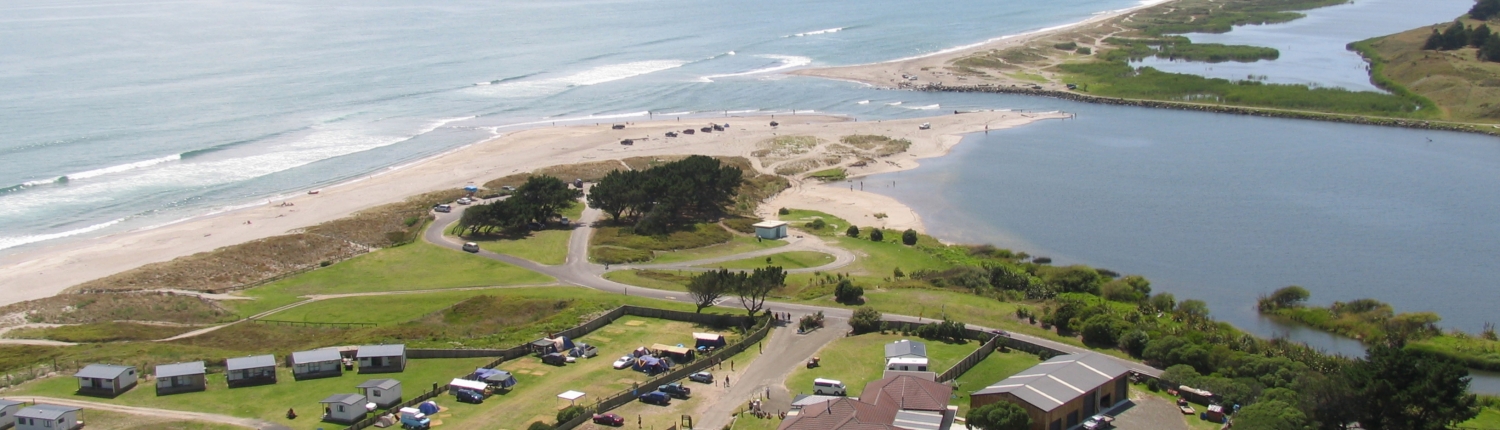
Thornton is the coastal heart of the Rangitaiki plains and the gateway to the Pacific Ocean for the Rangitaiki river.
After a dramatic 155km journey the Rangitaiki river cuts through the Rangitaiki plains in its final stages to join the sea at Thornton Beach. The largest of 3 rivers that run through the Rangitaiki plains it is not commonly known that the Rangitaiki river is the 2nd longest river in the North Island as the crow flies from beginning to end.
At its final destination here at Thronton Beach, the Rangitaiki River is a shadow of its most powerful, having been dammed twice, once at Aniwhenua and again at Matahina. However, this provides relative safe and consistent flow for users of the mouth facilities and activities. The mouth provides wharf fishing, boat ramp access to the sea and river but in particular the mouth is known for its large runs of Kahawai that chase huge schools of whitebait up the river.
Hence, we have become to be known as the “Kahawai Capital of the world.”
The Rangitaiki River has had its course manipulated over the years to accommodate the two hydroelectric dams and also a change of course in its final section from its original problematic mouth at Matata to its current mouth at Thornton.
Rangitaiki plains
Thornton sits on the northern edge of the Rangitaiki plains, which surround it in a semi-circle to the south. The Rangitaiki plains features rich farmland that is some of the most productive dairy farming pasture in the Bay of Plenty.
There are two other major rivers that also end their journeys on the Rangitaiki Plains. They are the Whakatane and the Tarawera rivers. Whilst not as big they are equally well known for different reasons both cultural and geographical.
‘Plenty’ of fun
We have areas of rich farmland, rugged hills, unique river systems and accessibility to some of the best sea fishing within the Bay of Plenty. Thornton is centrally placed to take advantage of all these features and the bounty they have to offer.
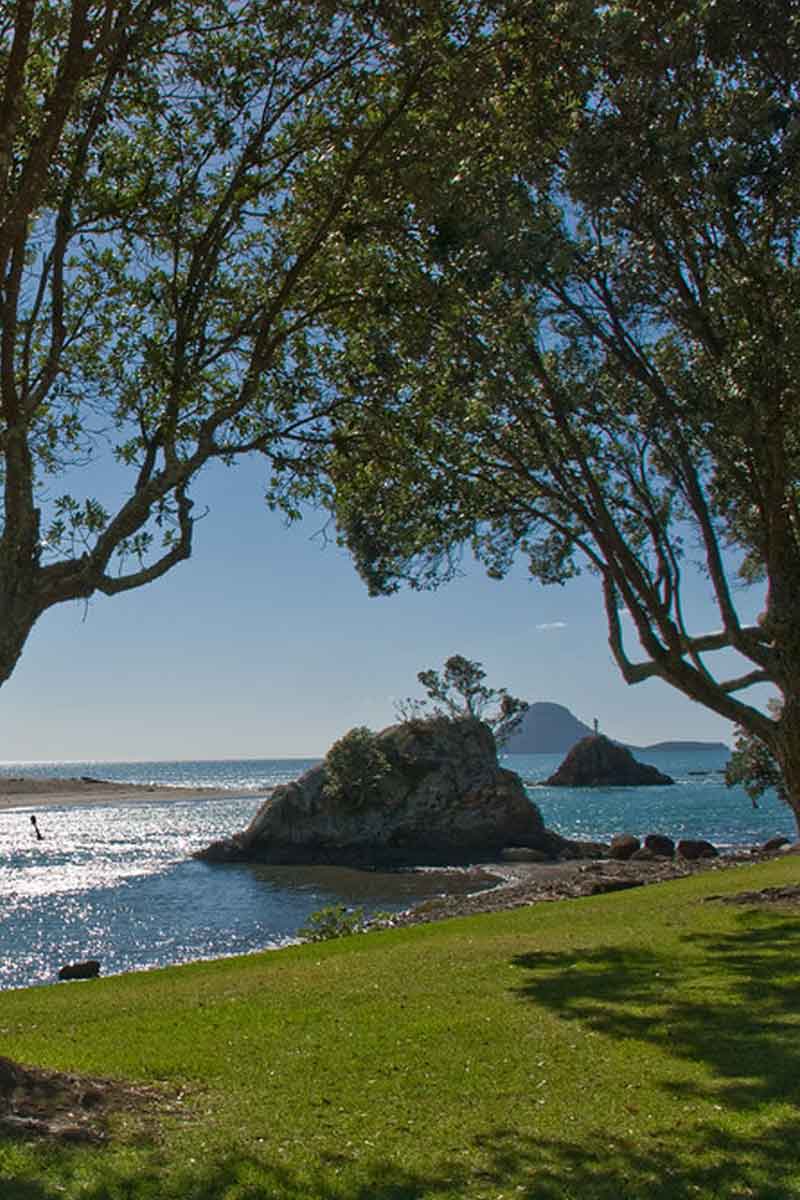
Whakatane
Whakatane just 10 minutes to the East of Thornton is a coastal town of approximately 18,000 people, with another 15,650 people living in the rest of the Whakatane District. According to Maori history Whakatane was the site where Maori first settled in New Zealand some 1000 years ago from their Polynesian homeland of Hawaiki
Being bordered by various ranges and it’s coastal location Whakatane has somewhat of a microclimate. Whakatane is often awarded winner of the annual sunshine hours award in New Zealand and is the 2012 winner.
Combine this unique location with sunshine hours makes the area a popular holiday destination.
A lot of the popularity of the area centers around water activities. Swimming with dolphins, whale watching, chartered fishing trips and surfing to name a few.
There are also many land-based activities in the area for those who prefer it or when the sea is too rough. Bush walks, horse treks, 4×4 tours, hunting trips, helicopter flights, mountain biking are available or simply relax for a while on one of our beautiful beaches.
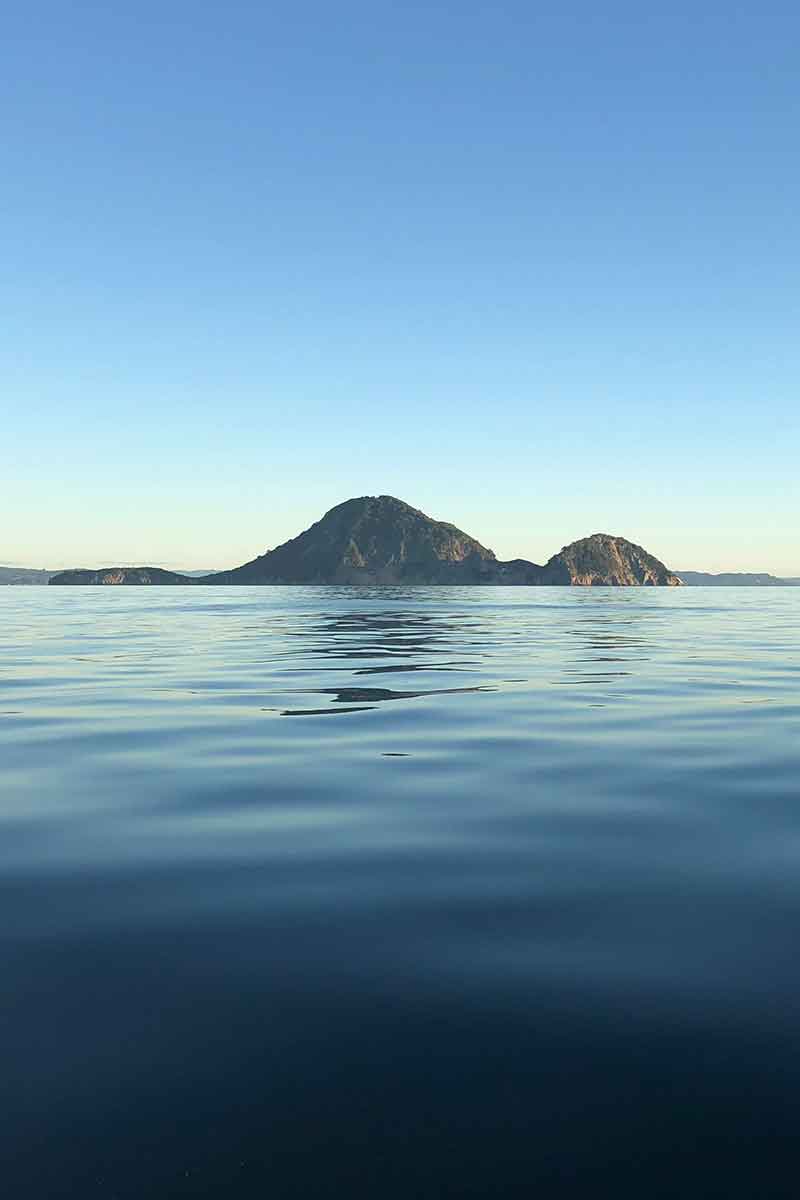
Moutohora / Whale Island
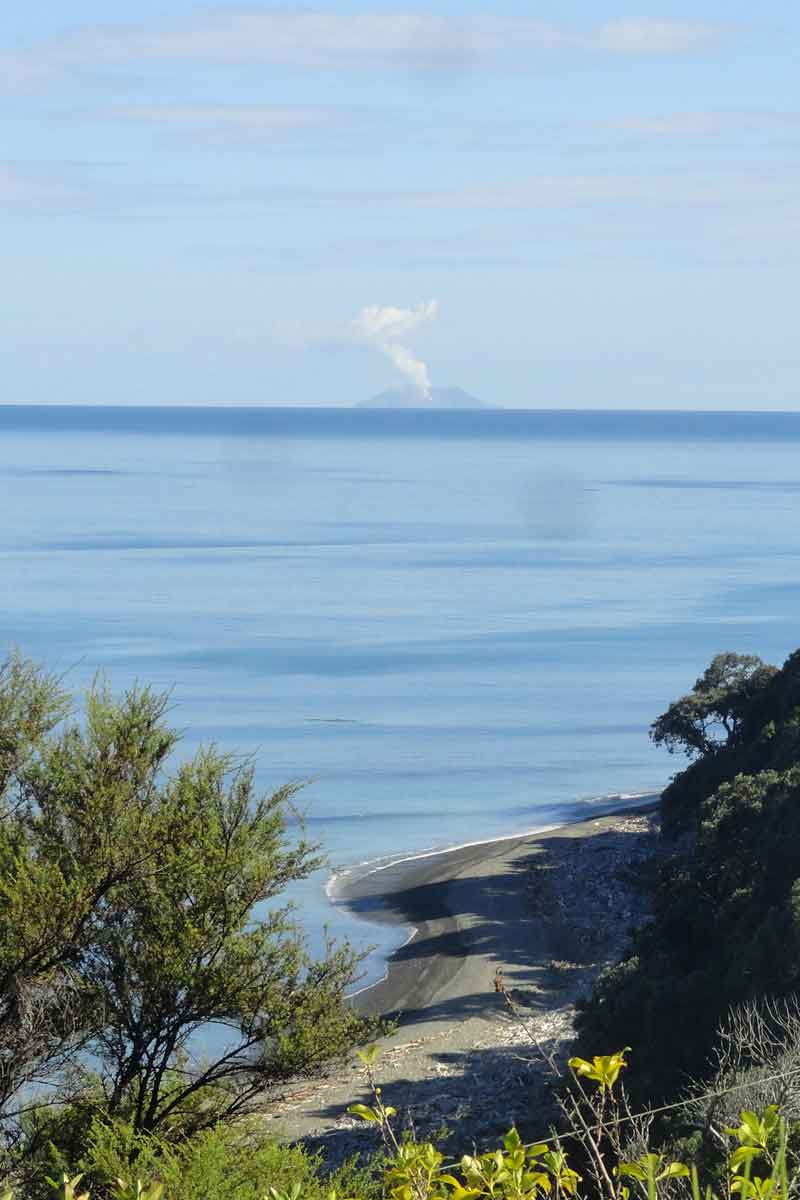
Moutohora, or Whale Island, lies nine kilometres off the coast and dominates the view from our Holiday Park. The 143-hectare island is a remnant volcanic cone which has eroded, leaving two peaks. This is still an area of volcanic activity and there are hot springs on the island in Sulphur Valley and Sulphur and McEwans bays.
Access is restricted to permit holders, approved tour parties and school groups only. Permits can be obtained from the Department of Conservation office in Whakatane.
Numerous archaeological sites of both Maori and European origin have been recorded here, including an extensive pa site on Pa Hill and a number of house terraces and garden sites. The first European occupation came in the 1830s with an unsuccessful attempt to establish a shore-based whaling station. The venture failed without a single whale being captured.
In 1965 Moutohora was declared a wildlife refuge and the island was bought by the Crown in 1984. Once the goats which had been introduced to the island were eradicated, a planting programme began and 12,000 plants covering 45 species are now established.
Today Moutohora is covered with a mosaic of Pohutukawa, mahoe, kanuka, bracken fern and grassland. There are 190 native and 110 introduced plant species. The island is now completely free of the goats, rats, cats and rabbits which previously devastated native plants and animals.